What Is Farmcore Décor? A Guide to the Aesthetic Taking Over Modern Homes
Farmcore blends rustic farm nostalgia with modern livability. Here's what defines the style, how it differs from traditional farmhouse, and how to bring it into your space.
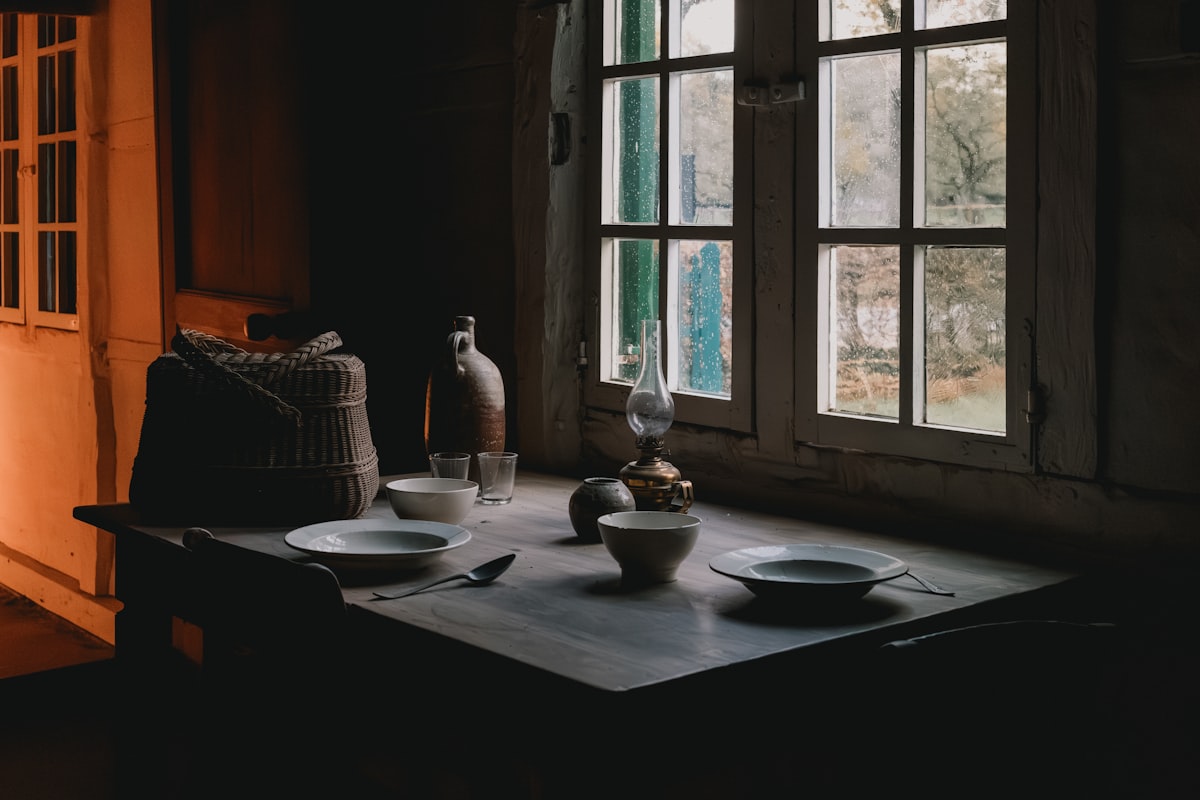
If you have spent any time looking at interiors online in the last two years, you have seen farmcore — even if you did not know the name. It is the aesthetic of weathered wood, wrought iron, natural linen, and objects that look like they have a story. Think European farmhouse crossed with modern restraint.
Farmcore vs. Traditional Farmhouse
Traditional farmhouse décor — the kind that dominated the 2010s — leaned heavily on shiplap, mason jars, and signs that said "Gather" in cursive. It was a specific, sometimes formulaic look.
Farmcore takes the underlying appeal of farmhouse (warmth, natural materials, nostalgia) and strips away the formula. Instead of matching sets and coordinated colour palettes, farmcore embraces the collected-over-time look. A cast iron trivet next to a brass candelabra. A stack of old books under a glass cloche. Linen tea towels hanging from a hook that was probably meant for something else.
The difference is intentionality without uniformity. Farmcore rooms feel curated but not designed.
The Key Elements
Natural materials: Wood, iron, brass, glass, linen, stoneware, beeswax. The materials you find in a farmcore space are the same ones people have used for centuries. They age well and develop character over time rather than looking worn out.
Patina and age: New things that look new are the exception in farmcore spaces. Hand-distressed finishes, antiqued brass, weathered stone effects, and visible tool marks on iron pieces all contribute to the sense that these objects have been around for a while.
European influence: Where American farmhouse looks to the barn and the prairie, farmcore draws heavily from European traditions — French country, Italian rustic, Balkan village homes, English cottage gardens. The result is warmer, more ornate, and less specifically tied to one region.
Functionality: Every object either works or looks like it once did. A bread box stores bread. A trivet protects the table. A candelabra holds candles. Even purely decorative items reference functional originals — a vintage scale, a plate rack, an urn planter.
How to Start
You do not need to redo an entire room. Farmcore works as an accent layer over almost any neutral base.
Start with one or two textured pieces: a pair of iron candle sconces flanking a mirror, a stoneware canister set on the kitchen counter, or a linen throw draped over a sofa arm. These small additions shift the tone of a room without requiring a renovation.
The key is restraint. Farmcore is not maximalism with a rustic filter. It is a few well-chosen pieces that make a space feel lived-in, warm, and intentional.
Where to Go From Here
Browse our shop for curated farmcore pieces — lighting, mirrors, kitchen, garden, and home accents — each selected for quality materials, honest craftsmanship, and that old-world character that makes a house feel like a home.