Old-World Craftsmanship: The Balkan Tradition Behind Our Furniture
How Serbian and Croatian woodworking traditions — combined with BC Mennonite carpentry — produce heirloom furniture that belongs in your home for generations.
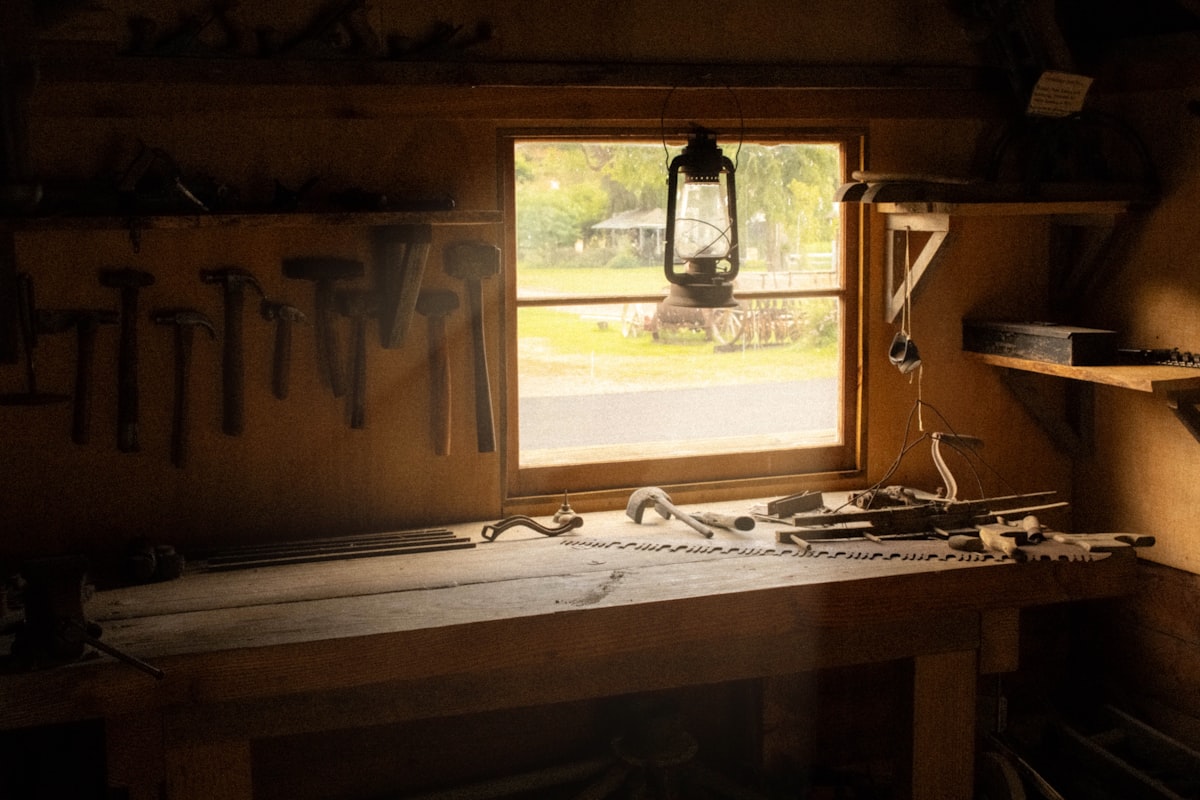
The furniture in most Canadian homes was made in a factory, flat-packed, and assembled with an Allen key. It does the job. But it does not have a story, and in five years it will not have a patina — it will have particle board showing through chipped laminate.
The furniture we commission is different. It is made by hand, by people whose families have been making furniture the same way for generations. And it is built to be in your family for just as long.
Two Traditions, One Workshop
Balkan Farms works with two distinct woodworking traditions that share more in common than you might expect.
Serbian and Croatian master woodworkers carry techniques passed down through family workshops in the villages of Slavonia, Šumadija, and the Zagorje highlands. These regions have produced furniture makers for centuries — the dense oak forests of the Pannonian Basin provided the raw material, and the tradition of hand-carved ornamentation gave the furniture its distinctive character.
Serbian woodworking is known for deep relief carving, geometric folk motifs drawn from Orthodox textile traditions, and a preference for massive, anchored forms. Croatian work tends toward more flowing lines — the influence of Venetian and Austro-Hungarian design is visible in the curves, the lighter proportions, and the use of walnut alongside oak.
BC Mennonite carpenters, concentrated in the Fraser Valley and the Okanagan, bring a different but complementary tradition. Mennonite furniture making emphasizes function, durability, and honest construction. Mortise-and-tenon joints. Dovetails cut by hand. Wood selected for grain and stability rather than appearance alone. The aesthetic is plain but not primitive — there is a quiet confidence in a well-made Mennonite table that needs no ornamentation to prove its quality.
When you put these two traditions together, something interesting happens.
What the Collaboration Looks Like
A typical Balkan Farms custom piece starts with a conversation about what the piece needs to do and where it will live. A dining table for a family of six. A credenza for a hallway that gets afternoon sun. A coffee table that needs to survive two kids and a dog.
The structural work — the frame, the joinery, the legs — is built using Mennonite techniques. Mortise-and-tenon. Through-wedged tenons on dining tables. Dovetailed drawers on credenzas. The kind of joints that hold for a hundred years because they were engineered to, not because they were glued.
The finishing — carved details, turned legs, distressed or aged surfaces, decorative inlays — draws from the Balkan tradition. A console table might have legs turned in the Serbian style, with subtle geometric patterning carved into the apron. A dining table might have a hand-planed top with slightly softened edges and a wax finish that invites touch.
The result is furniture that has the structural integrity of Mennonite craft and the visual warmth of Balkan folk art. Built in BC. Finished by hand. Made for your specific home.
The Materials
We use locally sourced wood wherever possible. BC provides excellent Douglas fir, Western red cedar, and maple. For pieces that call for European character, we source white oak and walnut — the traditional timbers of Balkan furniture making.
Every piece uses solid wood. No veneer over MDF. No particle board anywhere. The hardware — hinges, pulls, catches — is either hand-forged iron or solid brass, sourced from small metalworkers who understand that hardware is not an afterthought.
Finishes are hand-applied. We use natural wax, tung oil, or milk paint depending on the piece and the customer's preference. No polyurethane spray booths. The finish is part of the craft, not a coating applied after the fact.
What We Build
Our custom programme focuses on the pieces that anchor a room:
Dining tables — from intimate four-person rounds to twelve-seat harvest tables. Solid wood tops, hand-planed, with your choice of base style. Starting at $3,200.
Credenzas and sideboards — dovetailed drawers, solid wood construction, carved or plain fronts. Starting at $2,400.
Coffee tables — including our signature reclaimed barrel table using traditional Croatian cooperage techniques. Starting at $1,800.
End tables and nightstands — turned legs, carved details, hand-finished surfaces. Starting at $1,200.
Console tables — for entryways and hallways. Turned or carved legs in the Serbian tradition. Starting at $2,400.
Every piece is made to order. Lead time is typically 8-12 weeks depending on complexity.
Why This Matters
In a world of disposable furniture, commissioning a handmade piece feels almost radical. But it is actually the oldest, most normal way to furnish a home. For most of human history, the furniture in your house was made by someone you knew, from wood that grew near where you lived, built to last your lifetime and your children's.
We are not trying to reinvent anything. We are just connecting people who want real furniture with craftsmen who know how to make it.
If you are interested in a custom piece, get in touch. We will talk about what you need, show you wood samples, and give you a clear quote. No pressure, no upsell. Just good furniture, made properly.