Why Iron Never Goes Out of Style in Home Décor
From medieval chandeliers to modern minimalist hooks, iron has been a constant in home interiors for a thousand years. Here's why it endures and how to use it.
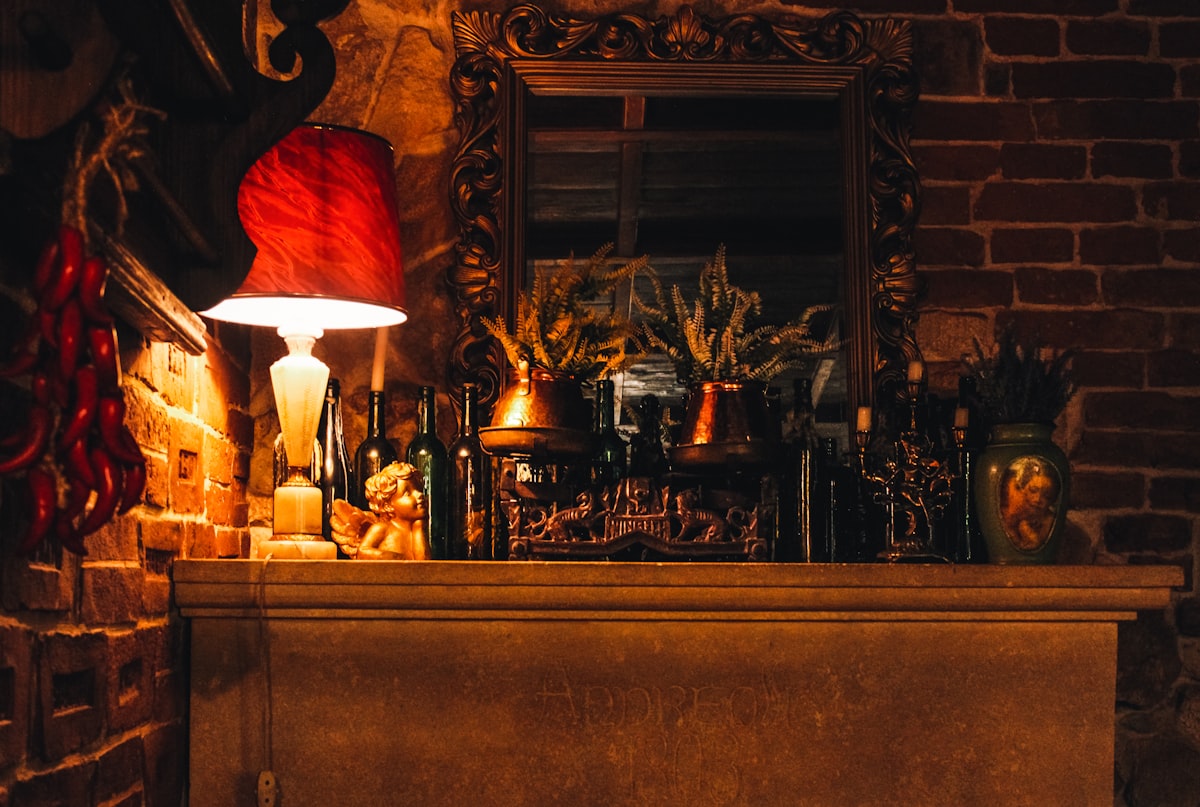
Iron has been part of domestic life since the Iron Age — roughly 1200 BCE. While the materials around it have come and gone (plastic, chrome, acrylic, brushed nickel), iron remains. It is still used in the same applications it always was: lighting, hardware, structural support, and decoration.
That thousand-year consistency is not an accident. Iron has properties that make it uniquely suited to the home.
Weight and Presence
Iron objects have heft. A cast iron bookend stays where you put it. An iron chandelier commands the centre of a room. A wrought iron garden obelisk stands through wind that would topple a plastic trellis.
This weight translates to psychological presence. An iron candelabra on a dining table feels anchored and permanent in a way that a glass or ceramic candleholder does not. It communicates that someone chose this object deliberately and expects it to be there for a long time.
Patina and Age
Iron ages gracefully. Unlike chrome that pits, or brass that turns green in uncontrolled ways, iron develops a consistent dark patina over time. Wrought iron in particular — with its visible forge marks and slightly uneven surfaces — looks better with age rather than worse.
This is why you see iron pieces in antique shops that are a hundred years old and still functional. The material does not degrade with time in the way that many modern alternatives do. A hand-forged iron wall cross from 1920 looks essentially the same as one from 2020, just with a deeper patina.
Versatility Across Styles
Iron is one of the few materials that works across nearly every interior design style:
- Farmcore and rustic: wrought iron chandeliers, wall sconces, garden obelisks
- Industrial: exposed iron brackets, pipe shelving, Edison bulb fixtures
- French country: scrollwork iron beds, candelabras, decorative trivets
- Modern minimalist: simple iron hooks, thin-profile shelving, matte black hardware
- Traditional: ornate iron gates, fireplace tools, coat racks
The same material, shaped differently, serves completely different aesthetics. Few materials have that range.
How to Use Iron at Home
Start small: a pair of iron candle sconces, a set of iron bookends, or a cast iron trivet. These pieces introduce the material without committing to a large fixture.
Mix metals: iron pairs well with brass and copper. A matte black iron sconce next to an antiqued brass mirror creates visual interest without clashing. The key is keeping the finishes muted — polished chrome next to rustic iron looks jarring, but aged metals complement each other.
Use iron where strength matters: bookends, towel hooks, curtain rods, plant hangers. Iron holds up under load and daily use. Where other materials bend or break over time, iron endures.
Embrace the imperfection: hand-forged iron has hammer marks, slight asymmetries, and surface texture. These are not defects — they are evidence that a human made the object. Machine-perfect iron exists, but it misses the point.
The Bottom Line
Trends will continue to cycle. Materials will come in and out of fashion. Iron will still be here, doing what it has always done: holding weight, catching light, and looking better with every passing year.
Browse our iron pieces — from candle sconces to garden obelisks — each chosen for honest craftsmanship and the kind of character that only comes from working with real materials.